How it works
Rating system
This rubric is descriptive, not prescriptive — a way to read the ratings, not a formula for assigning them. Stars reflect something felt, not a checklist passed.
✦ Good
Films that earned their runtime. You were engaged throughout, walked away with something — an image that lingered, a line that landed, an emotion that felt true. You'd send this to someone whose taste you understand.
Examples from your diary
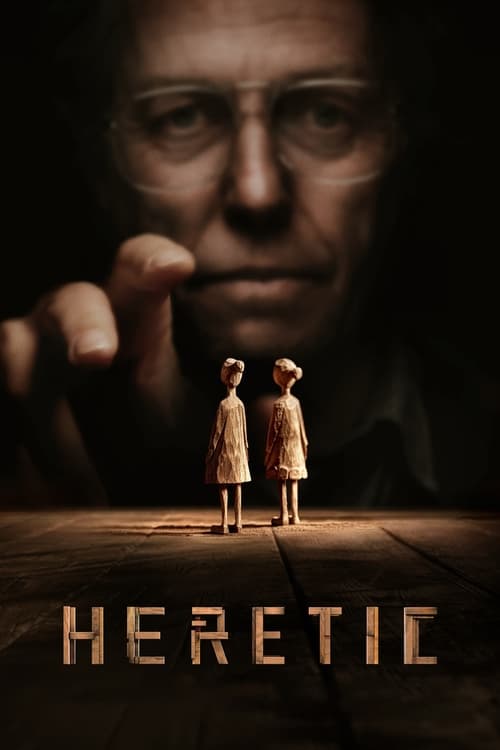
Heretic
2024

Spider-Man: Far From Home
2019

Platoon
1986
✦✦ Excellent
Films that stay. Something in the execution — the direction, the performances, the way it holds an idea — lifted it into a different register. Days later it's still running in the background. You don't just mention it; you push it.
Examples from your diary

Spirited Away
2001
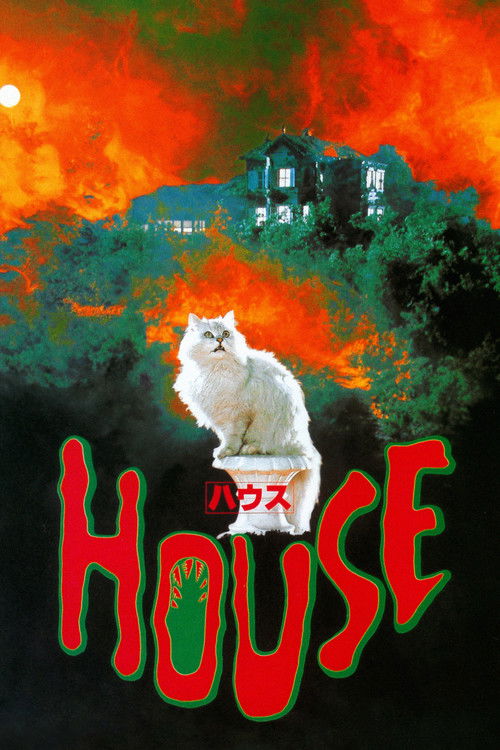
House
1977
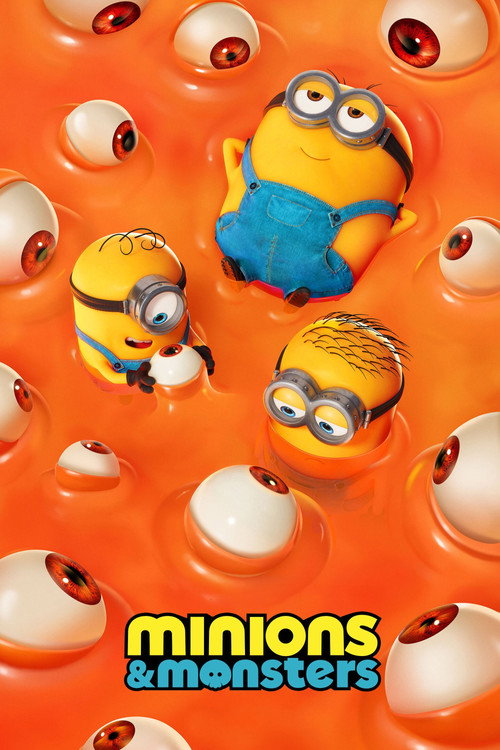
Minions & Monsters
2026
✦✦✦ Exceptional
Films that feel necessary. They reframe how you see the medium, or the world, or both. You come back to them. You reference them without meaning to. You can't fully explain why they matter — only that they do, and probably always will.
Examples from your diary

Se7en
1995

Tokyo Story
1953

The Silence of the Lambs
1991
The 3s resist defense. That's the point. Films you can explain with rules are just very good; the exceptional ones arrived on their own terms. The rubric exists to calibrate the 1s and 2s — the 3s took care of themselves.